
When the world feels uncertain, flowers matter more
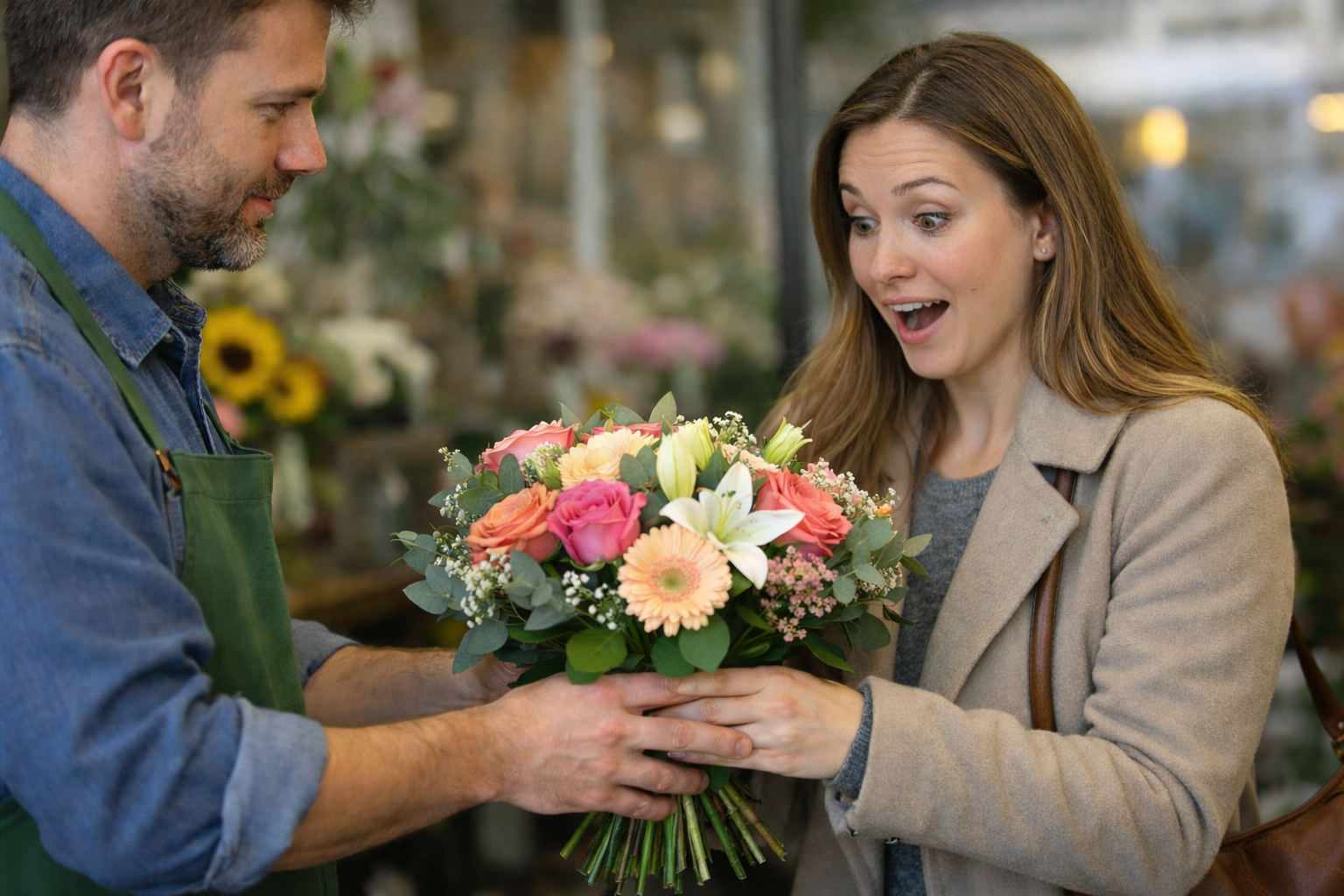
People are worried. The news is heavy. And right now, more than perhaps any time in recent memory, they need to feel connected, comforted, and cared for. That is exactly what we do.
We have just shared a difficult briefing about rising transport costs, oil prices, and the impact of the war in the Middle East on our supply chain. The situation is real and we will not pretend otherwise.
But there is something else that is equally real, and it is far more hopeful. At the very moment when the world feels most uncertain, the human need for flowers grows stronger. History shows it, and psychology confirms it.
This is not a moment to pull back. This is a moment to step forward.
Why humans reach for flowers in hard times
When people feel anxious or unsafe, they do not stop buying things that make them feel better, they lean into them. Think about what happened during lockdown. Florists who pivoted to delivery, who found ways to keep selling, reported some of their most meaningful trading periods ever. Not the most profitable, but some of the most profound.
People were buying flowers for themselves when they could not go out. They were sending flowers because they could not visit. They were ordering arrangements for front doors and kitchen tables and hospital windows. They were using flowers to say all the things that were too big to put into words.
"Flowers are not a luxury when times are hard. They become a necessity. They are one of the oldest human ways of saying, I see you. I am here. You matter."
There is solid research behind this. Studies in environmental psychology have found that the presence of flowers reduces cortisol — the stress hormone. They trigger feelings of warmth and safety. They signal care. A bunch of flowers on a table changes the emotional temperature of a room.
And right now, in spring 2026, people need that more than ever.
The four feelings flowers give people
When you understand what you are really selling, everything about how you talk to customers changes. You are not selling stems and foliage. You are selling this:
Feeling one
You are loved
Receiving flowers from someone else is one of the most universal signals of being thought of. It says: you crossed my mind, and I did something about it.
Feeling two
You are safe
Flowers in a space — a home, a hospital, a waiting room — signal order, care, and that someone is attending to beauty. That is deeply calming when the world feels chaotic.
Feeling three
You are connected
Sending flowers across a distance — to a parent, a friend, a colleague — is an act of reaching out. It closes a gap. It says: even from here, I am with you.
Feeling four
This moment matters
Flowers mark occasions. They say: this is worth noticing. In a time when people are struggling to feel present, that act of marking a moment is powerful.
None of those four feelings goes away when oil prices rise. None of them disappears when the news is frightening. If anything, they become more urgent.
What the research tells us
88% of people report feeling more positive immediately after receiving flowers, according to Rutgers University research
+15% Rise in fresh flower demand across Europe in 2023, driven partly by people seeking comfort and connection
3 days The average positive mood effect lasts up to three days after someone receives flowers, studies suggest
Worth knowing
In every period of war, recession, or social unrest in the 20th century, florists who stayed open and stayed visible reported sustained or increased demand. Flowers are one of the few affordable luxuries that people hold onto when other spending tightens.
The Irish florist's moment
Ireland is a warm, community-minded country. We give flowers at funerals because we come in person. We give them at weddings because we want the room to feel full. We leave them on doorsteps, push them through letterboxes, carry them onto hospital wards. We have always understood, in an instinctive way, what flowers are really for.
Right now, your customers are watching the news. They are feeling the squeeze of inflation. They are worried about family members, about jobs, about the state of the world. They need reminding that beauty still exists. That connection still matters. That someone is thinking of them.
You are the person who can give them that. And you can do it for the price of a bunch of spring flowers.
How to talk about this with your customers
You do not need to sell this hard. In fact, the softest approaches often work best. Here are some simple ways to lean into the emotional power of what you do:
1 Lead with the feeling, not the flower. Instead of "fresh tulips in stock," try "bring some brightness home this week." You are selling the emotion first.
2 Talk about self-care. Many people still feel guilty buying flowers for themselves. Give them permission. "You deserve it" is one of the most powerful things a florist can say.
3 Make thinking of someone easy. Promote a simple "thinking of you" arrangement. Not for birthdays or anniversaries — just because. Remove every barrier you can.
4 Use your social media to show warmth. Post the beauty. Post the process. Post the human moments. People are hungry for softness and calm in their feed right now. You can give them that.
5 Talk about how flowers change moods. That flowers reduce stress. That they lift mood. That science has caught up with what we always knew. People love to feel they have a good reason to do something that already makes them happy.
6 Reach out to corporate clients. Businesses that want their staff to feel cared for, their waiting rooms to feel welcoming, their clients to feel valued — they are a consistent, meaningful market. A regular arrangement is not a luxury for a business. It is a statement about how they treat people.
A final thought
The world has been through difficult periods before. Wars, recessions, pandemics. And florists have been there through all of them,in the hospitals, the churches, the front rooms, the gravesides, the doorsteps.
We have always been the people who show up with something beautiful when words are not enough. That has not changed. If anything, in a world that is becoming louder and more frightening by the week, what we offer has become more precious.
The costs are higher. The supply chain is under pressure. Both of those things are true. But so is this: people need flowers now more than ever. And we are the ones who arrange them, and put them into the hands of people who need them most.
That is not a small thing. That is everything.
"Flowers are how we take care of each other."
Share this with your team. Share it with your customers. And remember it the next time you tie a ribbon, wrap a bouquet, or hand someone a bunch of flowers on a hard day.
That is what we do. And right now, it matters more than ever.
